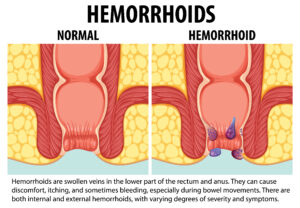

AI Overview
Piles (hemorrhoids) can often be treated with medication and lifestyle changes, but laser surgery is needed when symptoms become severe or persistent.
Persistent rectal bleeding, especially when it does not improve with treatment, is a major sign that advanced care may be required.
Prolapsed hemorrhoids that do not go back inside (Grade 3 or 4) often require laser surgery for long-term relief.
Severe pain or thrombosed hemorrhoids that interfere with daily activities may indicate the need for surgical treatment.
Recurring symptoms despite medication suggest that conservative treatments are no longer effective.
Hemorrhoids that affect daily life, sitting comfort, or work productivity may require laser treatment.
A clinical evaluation by a specialist is necessary to confirm whether laser piles surgery is the right treatment option.
Hemorrhoids, or piles, are a painful but common condition. Although most individuals can deal with mild symptoms using over-the-counter medications, in some instances, piles laser surgery, often known as Laser Hemorrhoidoplasty (LHP), is the most effective way to deal with the condition.
This blog will answer the major questions about when a pile’s laser surgery will be required and why you should be aware of the signs you cannot overlook. It could be persistent bleeding, prolapse or severe discomfort, but recognising these signs will help you decide what to do next.
How Can You Tell the Difference Between Early Hemorrhoids and Advanced Disease?
Initial hemorrhoids can be dealt with by means of lifestyle alteration and drugs, but as the illness escalates, the treatment alternatives may be reduced. Many patients feel unsure about when to transition from conservative treatments to surgical solutions. So, how can you tell if your hemorrhoids have advanced?
How Are Hemorrhoids Graded and What Does It Mean for Treatment?
Hemorrhoids are graded to help determine the level of severity:
- Grade 1: Small internal hemorrhoids that don’t prolapse.
- Grade 2: Hemorrhoids that prolapse but reduce on their own.
- Grade 3: Prolapsed hemorrhoids that need to be manually pushed back.
- Grade 4: Severe prolapse that doesn’t reduce and is often very painful.
If your hemorrhoids are reaching grades 3 or 4, you’re likely at a point where piles laser surgery could provide a permanent and effective solution.
What Are the Red Flags That Persistent Rectal Bleeding Means Surgery is Needed?
For many patients, persistent rectal bleeding is one of the most alarming signs of advancing hemorrhoid disease. Though bleeding can happen at any stage, when it persists despite using creams or adjusting your diet, it’s time to consider more advanced treatment options.
Many patients in Dubai experience lifestyle challenges due to this issue, whether it’s the discomfort during long working hours or the embarrassment it causes. If bleeding continues over several weeks or if it becomes heavier, this is often a signal that minimally invasive hemorrhoid surgery, like laser treatment, could be necessary to resolve the issue.
Why Does Prolapse That Doesn’t Reduce Require Surgery?
Prolapsed hemorrhoids are another indication that you may need laser intervention for severe hemorrhoids. In some cases, hemorrhoids will prolapse (stick out of the anal canal), but they will retract on their own after a bowel movement. However, if they don’t retract, they may become swollen and painful and may be prone to complications.
How Does Mucosal Prolapse Progress Over Time?
If mucosal prolapse isn’t addressed, it can lead to chronic discomfort, skin tags, or even blood clots in the veins. The longer the prolapse goes unaddressed, the more difficult it may be to treat conservatively. Laser surgery offers a permanent solution, allowing you to return to an active, healthy lifestyle without worrying about the impact of prolapse on your daily routine.
What to Do When Severe Pain and Thrombosis Make Hemorrhoids Unbearable?
Another major symptom that indicates that the piles need surgery is pain. Sharp, severe pain may be caused by Thrombosed external hemorrhoids, which develop when blood clots develop in the hemorrhoidal veins. This pain may disrupt the day-to-day activities of many patients, whether at work or even when going out to eat. When the topical care and lifestyle modification fail to alleviate severe pain, it is time to call an expert who can discuss the option of laser surgery for piles as a means of dealing with the condition.
How Can You Manage Recurrent Symptoms Despite Medication?
Patients often try various over-the-counter remedies to manage hemorrhoid symptoms, but what happens when these treatments no longer work? If your symptoms, whether it’s bleeding, prolapse, or pain, keep coming back, conservative measures might not be enough. This is where chronic hemorrhoids requiring surgery come into play. When symptoms persist, surgery may be the only option for long-term relief!
Patients in Dubai often experience busy work schedules that can be hindered by hemorrhoid pain. If you’ve tried everything but still face recurrent symptoms, it’s time to ask your specialist about advanced hemorrhoid treatment in Dubai, including laser surgery.
What Impact Do Hemorrhoids Have on Your Daily Life and Work?
Hemorrhoids can become more than just a physical problem; they can severely affect your quality of life. The following are some ways untreated hemorrhoids can limit your lifestyle, particularly in Dubai:
- Discomfort during long periods of sitting
- Anxiety about going to the bathroom
- Interference with an active lifestyle
- Impact on social life
- Work productivity
Suppose hemorrhoids are disrupting your life, whether at work or while socializing, it’s important to understand your options. With laser intervention for severe hemorrhoids, you can get back to enjoying your routine and feel more confident in your daily life.
How Can Straining and Chronic Constipation Contribute to Hemorrhoid Progression?
Straining during bowel movements or having chronic constipation puts pressure on your hemorrhoidal veins, increasing the likelihood of prolapse or thrombosis. Addressing the root causes, such as diet or stress management, can help prevent further complications, but in some cases, surgery may still be necessary.
How Important Is a Clinical Evaluation Before Deciding on Surgery?
It is possible that these symptoms indicate the need for surgery, but it is important to consult a specialist for a complete assessment. Clinical consultation will also help determine the severity of your condition and the need for laser surgery for piles. To ensure the appropriate treatment plan is selected, a doctor will examine factors such as your symptoms, lifestyle, and the course of your disease.
Conclusion
In case you experience the persistent symptoms of hemorrhoids (bleeding, prolapse, pain), it is important to consult a doctor, such as Dr. Murtaza Pithawala. As a specialist in minimally invasive hemorrhoidectomy, including laser surgery on serious hemorrhoids, Dr. Pithawala provides advanced methods of solution and makes you feel secure and well again.
When you are ready to take the next step towards relief, you can book a consultation with Dr. Pithawala, who practices in Jumeirah, Dubai.
Book your appointment with Dr. Murtaza Pithawala.
FAQs
When is laser surgery for piles preferred over medication?
Laser surgery is usually performed when conservative treatments such as creams or dietary changes do not help alleviate symptoms. This is especially in cases of higher levels of hemorrhoids, such as the persistent bleeding hemorrhoids solution and the prolapsed piles treatment.
Can severe hemorrhoids resolve without surgery?
In extreme instances, hemorrhoids can heal through lifestyle modification and medications. Nevertheless, in case the state deteriorates or fails to improve, then the least invasive hemorrhoid surgery will probably be required.
Is bleeding always a sign of advanced disease?
Not necessarily. In mild and advanced cases, bleeding may take place. Bleeding, however, when chronic and prolonged or when it is accompanied by other signs like chronic anal acute pain, is a clear indication that medical intervention is required.
What happens if prolapse is ignored?
If prolapse is ignored, it can worsen over time, leading to pain, difficulty with bowel movements, and an increased risk of thrombosis. Eventually, it may require laser surgery to resolve.
How does a specialist decide if surgery is necessary?
A medical professional, Dr. Murtaza Pithawala, will assess your symptoms, the extent of your hemorrhoids, and your overall health. Factors such as chronic hemorrhoids requiring surgery or making the decision on whether to undergo a piles laser surgery shall be considered to find the best treatment.