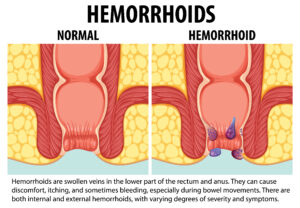

- Laser hemorrhoid treatment in Dubai is a minimally invasive procedure with high success rates (often over 90% for lower-grade hemorrhoids) and faster recovery compared to traditional surgery.
- Long-term outcomes depend on factors like hemorrhoid grade, overall health, and the laser technique used, with lower-grade cases showing more durable results.
- While effective, recurrence is still possible—especially due to chronic constipation, poor lifestyle habits, or inadequate post-treatment care.
- Compared to conventional hemorrhoidectomy, laser treatment offers less pain, reduced bleeding, and lower recurrence rates, making it a preferred option for many patients.
- Maintaining a fibre-rich diet, proper hydration, regular exercise, and avoiding prolonged sitting significantly improves long-term success and reduces the risk of relapse.
Laser hemorrhoid treatment has quickly become one of the most sought-after solutions for hemorrhoids, particularly in Dubai, where advanced medical treatments are highly valued. This procedure is minimally invasive and provides relief to those suffering from the discomfort and pain caused by hemorrhoids. If you’re considering this treatment, it’s important to understand its long-term results of laser hemorrhoid treatment, recurrence risks, and how it compares to conventional treatments.
Looking for a long-term solution to hemorrhoids? Book your consultation today through our homepage and discover how expert laser treatment in Dubai can deliver lasting relief with minimal downtime.
What Determines the Long-Term Outcome of Laser Hemorrhoid Removal?
Laser hemorrhoid removal has a strong reputation for providing excellent results, but Laser Hemorrhoid treatment outcomes depends on several factors:
- Hemorrhoid Grade: The severity or grade of hemorrhoids significantly affects the success of laser treatment. Lower-grade hemorrhoids (grade 1 and 2) typically respond better, with higher success rates and longer-lasting results.
- Health Conditions: Underlying conditions, such as chronic constipation or obesity, can increase the likelihood of recurrence. Ensuring good health after treatment helps in maintaining long-term results.
- Laser Technique: The specific laser method used, such as Endolaser ablation (LHP) or Surface Laser Application, affects the treatment’s long-term outcome. Each technique has its advantages, depending on the type and grade of the haemorrhoid.
Can Hemorrhoids Return After Laser Therapy?
Although laser hemorrhoid treatment is highly effective, recurrence is possible, especially if underlying causes are not addressed. Factors such as poor post-treatment care, unhealthy lifestyle habits, or untreated conditions like chronic constipation can contribute to the return of hemorrhoids. However, laser treatment significantly reduces the chances of recurrence when compared to recurrence after hemorrhoid surgery.
How Recurrence Rates Compare With Conventional Hemorrhoidectomy
Studies consistently show that laser hemorrhoid treatment has a lower recurrence rate when compared to conventional hemorrhoidectomy. In a recent systematic review, 90% of patients reported long-term symptom relief after undergoing laser treatment, highlighting its effectiveness. Furthermore, laser procedures result in lower postoperative pain, reduced bleeding, and quicker recovery times compared to traditional surgery.This makes durable piles laser surgery a more appealing choice for many patients.
Does Hemorrhoid Grade Affect Treatment Permanence?
Yes, the grade of the hemorrhoid directly impacts the effectiveness of the laser treatment. Lower-grade haemorrhoids typically have a higher success rate and lower recurrence. In contrast, higher-grade haemorrhoids (grades 3 and 4) may require multiple treatments or a combination of therapies for long-lasting results. Laser treatment is still highly effective but may need a more tailored approach for permanent hemorrhoid solutions Dubai.
Tissue Shrinkage vs Excision Techniques
Laser therapy works by shrinking hemorrhoidal tissue rather than excising it, as with traditional surgical techniques. This approach reduces the risk of complications, such as infection or excessive bleeding, and allows for faster healing. Shrinking the tissue rather than removing it means less disruption to surrounding areas, resulting in a more comfortable recovery.
Main Causes of Hemorrhoid Recurrence
- Role of Chronic Constipation: Chronic constipation is one of the primary causes of hemorrhoid recurrence. By managing constipation effectively, through proper hydration, a high-fibre diet, and potentially using medication, patients can reduce the chances of hemorrhoids returning after treatment.
- Bowel Regulation: Maintaining regular bowel habits is crucial for preventing both the formation and recurrence of hemorrhoids. Patients should aim to avoid straining during bowel movements, which can put excess pressure on the anal veins and lead to hemorrhoid formation.
- Impact of Prolonged Sitting: Prolonged sitting, especially for extended periods on hard surfaces, increases pressure on the hemorrhoidal veins and contributes to the development of hemorrhoids. If you have hemorrhoids or are undergoing treatment, it’s important to avoid sitting for long stretches and to take breaks to stand, walk, or shift positions.
.
Factors That Influence the Durability of Results
The durability of laser hemorrhoid treatment results depends on several key factors:
- Post-Treatment Care: Following the recommended aftercare, such as avoiding constipation and excessive straining during bowel movements, plays a major role in preventing recurrence.
- Chronic Conditions: Conditions like obesity or persistent constipation can increase the likelihood of hemorrhoid recurrence. Addressing these conditions through diet, exercise, and medication can help maintain the results of laser treatment.
- Age and Overall Health: Younger, healthier individuals tend to experience better long-term outcomes after laser hemorrhoid treatment. However, even older patients can enjoy significant relief if they follow proper aftercare instructions.
- Lifestyle Habits: Incorporating a high-fiber diet, regular exercise, and proper hydration helps reduce the risk of hemorrhoid relapse and maintain the laser hemorrhoid treatment outcomes.
Lifestyle Habits That Reduce the Risk of Recurrence
To enhance the effectiveness of laser treatment and reduce the risk of recurrence, adopting healthy lifestyle habits is essential:
- Fibre-Rich Diet: A high-fibre diet helps prevent constipation, which is a leading cause of hemorrhoid formation. Incorporating fruits, vegetables, and whole grains into your diet will keep your bowel movements regular and soft.
- Regular Exercise: Maintaining a healthy weight through regular physical activity can reduce pressure on the rectal area, thereby minimising the risk of haemorrhoids returning.
- Proper Hydration: Drinking plenty of water helps keep stools soft, which can help prevent straining during bowel movements—one of the main triggers for haemorrhoid formation.
- Avoid Prolonged Sitting: Sitting for long periods, especially on hard surfaces, increases pressure on the anal region and can contribute to hemorrhoid development. Take regular breaks to stand and walk around.
Internal vs External Hemorrhoid Relapse Patterns
Relapse patterns differ between internal and external hemorrhoids. Internal hemorrhoids, especially those treated with laser therapy, tend to have a lower chance of recurrence. However, external hemorrhoids, which can sometimes involve prolapse, may require additional treatments or a longer recovery period. Laser treatment offers a promising option for both types of haemorrhoids, but external haemorrhoids may require extra attention.
Clinical Evidence Supporting Laser Effectiveness
A systematic review and meta-analysis of 17 trials involving 1,937 patients found that laser Hemorrhoidoplasty is highly effective, reducing operative blood loss and postoperative pain while enabling faster recovery and shorter operative times. Studies showed that laser treatments resulted in significantly lower postoperative bleeding than traditional methods, with long-term follow-up outcomes highly satisfactory for most patients.
Conclusion
Laser hemorrhoid treatment offers an effective and minimally invasive solution for hemorrhoids, with high success rates and low recurrence compared to traditional methods. While the treatment is not entirely free of the risk of recurrence, it significantly improves long-term outcomes when combined with healthy lifestyle habits. If you’re considering laser hemorrhoid treatment, consult with a qualified specialist like Dr Murtaza Pithawala to determine the best treatment approach for your specific needs.
Ready to get rid of hemorrhoid discomfort? Take the first step towards lasting relief!
FAQs
What is the average laser hemorrhoids success rate that Dubai clinics report
In Dubai, laser hemorrhoid treatment has a high success rate, with most clinics reporting a success rate of over 90% for grade 2 and 3 hemorrhoids.
Are results considered permanent for advanced cases?
While laser treatment offers long-lasting results, more advanced hemorrhoids may require additional treatments or maintenance procedures for the best long-term outcome.
Can hemorrhoids return years later?
Yes, hemorrhoids can return years later, especially if lifestyle factors like chronic constipation or prolonged sitting are not addressed.
How effective is laser Pile surgery and does severity affect long-term success?
Yes, the severity of hemorrhoids plays a significant role in the success of laser treatment. Lower-grade hemorrhoids tend to have better long-term outcomes than higher-grade hemorrhoids.
Is laser more durable than stapler hemorrhoid surgery?
Yes, laser hemorrhoid treatment is generally considered more durable than stapler hemorrhoid surgery due to its minimally invasive nature, lower complication rates, and quicker recovery times.