
AI Overview
Modern minimally invasive procedures used in the treatment of hemorrhoids include THD hemorrhoid surgery (Transanal Hemorrhoidal Dearterialization) and stapled hemorrhoidectomy. Both are less painful, quicker to heal and less complicated than conventional surgery; however, they vary in methodology, the suitable candidates and after-care.
Understanding the differences between THD hemorrhoid surgery and stapled hemorrhoidectomy helps you choose the most effective, comfortable treatment based on your condition and recovery expectations.
Looking for advanced hemorrhoid treatment with faster recovery and minimal pain? Visit our homepage to explore expert care options and book your consultation today.
Understanding Hemorrhoids and the Need for Surgery
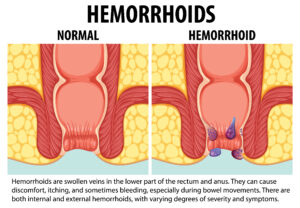
Hemorrhoids, also referred to as piles, are painful, swollen veins in the anal canal that make the anal canal painful, itchy, bleed and hurt. Although simple hemorrhoids can be handled through changing the diet, topical measures or fibre pills, surgical intervention is required where:
- Internal hemorrhoids prolapse outside the anal canal
- Symptoms persist despite conservative treatment
- Pain, bleeding, or swelling affects daily life
Modern procedures like THD and stapled hemorrhoidectomy minimise pain and accelerate recovery, making surgery less stressful for patients.
What is THD Hemorrhoid Surgery?
Transanal Hemorrhoidal Dearterialization THD involves the identification and ligation of arteries that supply the hemorrhoids with the help of a Doppler-guided instrument, which leads to the shrinkage of the hemorrhoids and the disappearance of hemorrhoids without tissue destruction.
Key Features
- Minimally invasive, tissue-preserving
- Ideal for internal hemorrhoids Grades II–III
- Minimal postoperative pain and bleeding
- Recovery in 2–5 days
Pros
- Less pain after the surgery as compared to a stapled hemorrhoidectomy.
- Reduced chances of extreme problems.
- Earlier recovery of normal functions.
Cons
- Slightly higher recurrence in severe Grade IV hemorrhoids
- Less effective for significant prolapse
What is Stapled Hemorrhoidectomy?
In Stapled hemorrhoidectomy (also known as the Procedure for Prolapse and Hemorrhoids (PPH)) a circular stapler is used to fix the bulging hemorrhoidal tissue back into the anal canal and excise the overgrowth.
Key Features
- Best for moderate to severe prolapsed hemorrhoids (Grade III–IV)
- Repositions tissue and restores anal canal anatomy
- Shorter operation time than traditional excision
Pros
- Highly effective for severe prolapse
- Rapid postoperative recovery
- Shorter procedure time
Cons
- Slightly higher risk of postoperative pain, bleeding and rectal urgency
- Not ideal for less severe hemorrhoids
Comparing THD Surgery and Stapled Hemorrhoidectomy
| Feature | THD Hemorrhoid Surgery | Stapled Hemorrhoidectomy |
| Procedure | Doppler-guided artery ligation, no tissue removal | Circular stapling to reposition and remove prolapsed tissue |
| Ideal Candidates | Internal hemorrhoids Grades II–III | Grade III–IV prolapsed hemorrhoids |
| Pain After Surgery | Minimal | Mild to moderate |
| Recovery Time | 2–5 days | 1–2 weeks |
| Recurrence Rate | Slightly higher in severe cases | Lower for severe prolapse |
| Complication Risk | Lower | Higher risk of bleeding, urgency and discomfort |
| Return to Work | Faster | Slightly longer than THD |
Key Takeaways
- Safety and bleeding: THD is safer and less invasive.
- Severe prolapse: Stapled hemorrhoidectomy is more effective for Grade III–IV cases.
- Pain and recovery: THD causes less discomfort and allows a quicker return to normal life.
- Long-term outcomes: Both techniques are effective, but stapled surgery has a lower recurrence rate for severe cases.
Preparing for THD Surgery: Patient Tips
Medical History: Disclose all the medications, allergies and chronic illnesses.
Food Modifications: Eat high-fibre foods and keep hydrated so that constipation does not occur.
Transportation and Support: Have someone pick you up and drop you home, particularly in the case of sedation.
Lifestyle Changes: Do not take alcohol, smoke or do heavy lifting 48 hours pre-surgery.
Hygiene: Keep clean in order to avoid infection.
Preparing for Stapled Hemorrhoidectomy: Patient Tips
Medical History: Speaks of chronic conditions, blood thinners, and allergies.
Diet: Fibre foods and oral fluids prevent postoperative constipation.
Transport: Arrange transportation in advance, since same-day discharge is the norm.
Lifestyle Changes: Preoperative alcohol, smoking and vigorous activity should be avoided.
Hygiene: Pre-op instructions are to be followed to limit infection.
Recovery After THD Surgery
- Eat plenty of fibre and drink plenty of water.
- The first few days should be avoided with spicy or oily foods.
- Take care of the following wound care.
- No heavy lifting or sitting for 1-2 weeks.
- Take pain medication/ NSAIDs as directed.
Recovery Timeline
- 2–5 days: Light activities and office work
- 1–2 weeks: Resume normal activities fully
- 6–8 weeks: Complete internal healing for advanced cases
Foods to Avoid
- Hot, fatty or junk foods.
- Alcohol until recovery is complete.
Recommended Foods
- Grains, fruits, and vegetables in their entirety.
- Hydrating fluids
- Light, easily digestible food.
Recovery After Stapled Hemorrhoidectomy
- Maintain a high-fibre diet and hydration.
- Avoid spicy, fried, or processed foods for 1–2 weeks.
- Follow wound care and hygiene instructions carefully.
- Avoid heavy lifting, straining, or prolonged sitting for 1–2 weeks.
- Take prescribed pain medication as needed.
Recovery Timeline
- 3-7 days: Start doing light exercises and work at the office.
- 1 to 2 weeks: Return to normal life.
- 4-6 weeks: Internal healing done.
Foods to Avoid
- Spicy, oily, or low-fibre processed foods
- Alcohol until fully healed
Recommended Foods
- Grains, fruits, and vegetables in their entirety.
- Rehydrating fluids such as water and teas made of herbs.
- Light, easily digestible food.
Conclusion
THD hemorrhoid surgery is as effective as the stapled hemorrhoidectomy, and is minimally invasive. THD is preferred in patients who want less pain and a shorter recovery period. In contrast, stapled hemorrhoidectomy is preferable in patients with severe cases with a lot of prolapse and lower recurrence rates.
The most suitable operation is related to the grade of hemorrhoids, the symptoms and the expertise of the surgeon. The help of an expert surgeon like Dr Murtaza provides the safety of personalised care and helps patients to regain comfort, confidence and quality of life.
FAQs
1. What is the duration of THD or stapled hemorrhoidectomy?
THD: 30-45 minutes; Stapled: 20-40 minutes, according to the severity.
2. What is the less painful process?
THD tends to produce less postoperative pain as compared to stapled hemorrhoidectomy.
3. When can I return to work?
THD: 2-5 days, Stapled: 3-7 days of light work.
4. What is the success rate of the THD surgery?
Success rate is high for Grades II–III hemorrhoids; recurrence slightly higher for Grade IV.
5. What is more appropriate in severe prolapse?
Grade III- IV prolapsed hemorrhoids respond better to stapled hemorrhoidectomy.