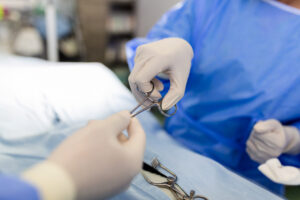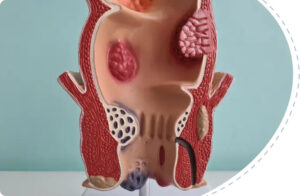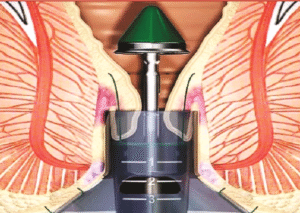

Many people in Dubai are facing the discomfort and pain of hernias, and many wonder how to get rid of them as effectively and least painlessly as possible. Hernia surgery is often necessary to repair the problem, but with the variety of options available today, choosing the best surgical approach can be overwhelming. The two main types of surgery to consider are laparoscopic hernia repair (minimally invasive) and open hernia repair (traditional surgery).
In this blog, we’ll explore Laparoscopic vs Open Hernia Repair, their benefits, and potential drawbacks, helping you make a more informed decision.
Understanding Hernia Surgery Options
The two main types of hernia surgery are laparoscopic and open surgery. Both aim to repair a hernia but differ significantly in terms of technique, recovery time, and complications. Understanding these differences is essential to selecting the best option for your situation.
What is Laparoscopic Hernia Repair?
Laparoscopic hernia repair, also known as minimally invasive surgery, involves making small incisions through which a camera and special instruments are inserted to repair the hernia. This technique is highly effective, offering better precision, reduced recovery time, and minimal scarring.
What is Open Hernia Repair?
Open hernia repair is the traditional approach, where a larger incision is made to access the hernia directly. While still common, it involves more trauma to the body and a longer recovery time compared to laparoscopic surgery.
Key Differences Between Laparoscopic and Open Hernia Surgery
Understanding the key differences between these two types of surgery is essential when choosing the right treatment. Here’s a breakdown of how they compare in terms of procedure, recovery time, risks, and costs.
Procedure and Technique
| Feature | Laparoscopic Hernia Repair | Open Hernia Repair |
| Incision Size | Small (0.5 to 1 cm) | Large (4 to 6 cm) |
| Visualization | High-definition camera | Direct visualization |
| Surgical Instruments | Greater trauma to the surrounding tissue | Standard surgical tools |
| Trauma to Tissue | Minimal | Greater trauma to surrounding tissue |
Recovery Time and Postoperative Care
| Feature | Hospital Stay | Return to Normal Activities | Pain Level | Scar Size |
| Laparoscopic Hernia Repair | ½ day | <1 week | Minimal pain | Small, less visible |
| Open Hernia Repair | ½-1 days | 4-6 weeks | More pain | Larger, more visible |
Risks and Complications
| Feature | Laparoscopic Hernia Repair | Open Hernia Repair |
| Risk of Infection | Lower risk | Higher risk |
| Risk of Complications | Rare (e.g., internal hernia) | Higher risk (e.g., wound healing issues) |
| Anesthesia | General anesthesia required | Local or spinal anesthesia possible |
Cost Considerations in Dubai
The cost of laparoscopic hernia surgery in Dubai can be higher due to the advanced technology and expertise required. However, the lower risk of complications and faster recovery may justify the higher price for many patients. Open surgery, while more affordable, may result in longer hospital stays and recovery times.
Factors to Consider Before Choosing the Right Surgery
Before making a decision, it’s essential to consider several factors such as the type and size of the hernia, your age and health, and the surgeon’s expertise. These elements play a significant role in determining the best surgical option.
Type and Size of Hernia
Certain hernias, especially large or complex ones, may require open surgery. However, smaller, less complicated hernias are typically better suited for laparoscopic repair.
Patient’s Age and Health Condition
Older patients or those with specific health conditions may face higher risks with laparoscopic surgery. A personalised consultation with your surgeon can help assess which approach is safer.
Surgeon Expertise and Hospital Facilities in Dubai
Choosing a skilled surgeon is crucial for successful hernia surgery. In Dubai, many surgeons, such as Dr Murtaza Pithawala, are highly experienced in laparoscopic surgery, offering tailored treatment based on each patient’s needs.
Why Laparoscopic Hernia Surgery is Gaining Popularity in Dubai
Laparoscopic surgery is gaining popularity in Dubai due to these factors:
Minimally Invasive Benefits
With smaller incisions and minimal tissue disruption, laparoscopic surgery offers reduced pain and a quicker recovery time, which is why many patients in Dubai prefer this option.
Faster Recovery and Less Pain
Laparoscopic surgery is ideal for patients who want to return to their normal activities as quickly as possible. The minimal scarring and reduced pain make this option highly attractive.
Making an Informed Decision: Tips for Patients
Choosing the right type of surgery involves careful consideration of your hernia, health, and lifestyle. Here are some tips to help you make an informed decision:
Questions to Ask Your Dubai Hernia Surgeon
- What type of hernia repair is best for my condition?
- What are the potential risks and complications of each procedure?
- How long will my recovery take?
- Will I need any special care post-surgery?
Preparing for Surgery
Preparation is key to ensuring a smooth recovery. Follow your surgeon’s instructions closely, which may include fasting before surgery, stopping certain medications, and arranging transportation after the procedure.
Conclusion
Choosing the right hernia surgery depends on various factors, including the type of hernia, the patient’s health, and the surgeon’s expertise. Laparoscopic surgery offers a faster recovery and less pain, making it the preferred option for many patients in Dubai. However, open surgery remains a reliable choice for more complex cases.
If you’re looking for an experienced and compassionate surgeon in Dubai, Dr Murtaza Pithawala comes highly recommended. With over 25 years of expertise in a wide range of surgical procedures, he is dedicated to providing the highest level of care.
To discuss your hernia surgery options, book your consultation.
FAQs
What is the difference between laparoscopic and open hernia surgery?
Laparoscopic surgery uses small incisions and a camera for better precision, while open surgery involves a larger incision for direct access to the hernia.
Which hernia surgery is better for faster recovery in Dubai?
Laparoscopic hernia surgery generally offers faster recovery times, with most patients returning to normal activities within 1-2 weeks.
Is laparoscopic hernia repair safe for elderly patients?
Yes, laparoscopic surgery is safe for elderly patients, though each case should be evaluated individually based on health conditions.
How much does hernia surgery cost in Dubai?
Costs vary depending on the type of surgery, but laparoscopic surgery is generally more expensive due to the advanced technology involved.
How long does it take to return to work after laparoscopic hernia surgery?
Patients can typically return to work within 7-10 days, depending on the nature of their job and recovery progress.
Can all types of hernia be repaired laparoscopically?
While most hernias can be repaired laparoscopically, complex or large hernias may require open surgery for optimal results.