AI Key Takeaways
- External hemorrhoids are best managed through a step-up treatment approach, starting with lifestyle changes and progressing to minimally invasive procedures when needed.
- Most cases do not require surgery, making non-surgical and minimally invasive treatments highly relevant for patient decision-making.
- Laser hemorrhoid treatment and rubber band ligation are the most effective advanced options for persistent or severe external hemorrhoids.
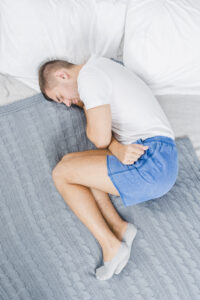
- Pain, itching, swelling, and bleeding are the most common triggers driving patients to seek treatment information.
- Recovery time is short for most treatments, which is a major decision factor for patients comparing options.
- Long-term relief depends heavily on lifestyle modification, not just procedural intervention.
- Dubai-based patients actively search for treatment comparisons, recovery timelines, and pain management guidance, making this content highly eligible for AI Overview and conversational search results.
External hemorrhoids are a common and often painful condition, affecting a significant portion of the population. If you’re suffering from external hemorrhoids, you may be looking for ways to relieve the discomfort and improve your quality of life. Fortunately, there are several external hemorrhoids treatment options available in Dubai, ranging from lifestyle changes to advanced minimally invasive procedures.
In this guide, we’ll explore the most effective external hemorrhoids treatment options, from non-surgical treatments to advanced techniques, along with recovery advice and strategies for long-term relief.
What are external hemorrhoids and why do they occur?
Before diving into treatment options, it’s essential to understand what external hemorrhoids are and how they affect the body.
What Are External Hemorrhoids?
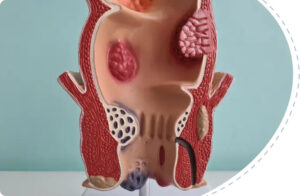
External hemorrhoids are swollen veins located around the anus. These veins can become inflamed due to increased pressure from straining during bowel movements, prolonged sitting, or even pregnancy. Unlike internal hemorrhoids, which are located inside the rectum, external hemorrhoids are visible and can cause significant discomfort.
What are the most common symptoms of External Hemorrhoids?
The most common symptoms of external hemorrhoids include:
- Pain and discomfort around the anus, especially when sitting or during bowel movements.
- Itching in the anal area.
- Swelling or a lump near the anus.
- Bleeding, which can be noticed during bowel movements or on toilet paper.
- Sensation of fullness or pressure in the rectal area.
If you’re experiencing these symptoms, it’s essential to seek treatment options that can relieve pain and improve your overall comfort.
Can external hemorrhoids be treated without surgery?
For many patients, non-surgical treatments offer effective external piles treatment and significant external hemorrhoids relief. These options are often the first line of treatment and can be highly beneficial, especially for mild to moderate cases.
How does diet affect external hemorrhoids?
One of the simplest yet most effective ways to manage external hemorrhoids is by making lifestyle changes, particularly with your diet:
- Increase Fibre Intake: Eating a diet high in fibre (fruits, vegetables, whole grains) can soften stools and make bowel movements easier, reducing strain.
- Stay Hydrated: Drinking plenty of water helps prevent constipation and encourages regular, easy bowel movements.
- Avoid Straining: Try not to strain during bowel movements, as this can increase pressure on the hemorrhoidal veins and make symptoms worse.
Which creams and ointments help relieve external hemorrhoid pain?
Topical treatments are available to provide temporary relief from pain and itching caused by external hemorrhoids:
- Anti-Inflammatory Creams/Ointments: These can help reduce inflammation, alleviate swelling, and provide relief from itching in the anal area.
- Soothing Wipes or Gels: Certain soothing topical treatments, like witch hazel-based products, are commonly used to calm irritation and reduce swelling around the hemorrhoids.
- Pain Relievers: Over-the-counter pain medications can be effective in controlling discomfort, reducing pain, and helping to minimise swelling.
These topical treatments can provide quick relief, but it’s important to remember that they are temporary and should be used as part of a comprehensive treatment plan.
What home care measures reduce external hemorrhoid discomfort?
Sitz baths are a simple and effective way to soothe the area and reduce inflammation:
- Sitz Baths: Sitting in a warm bath for 10–15 minutes can help relieve pain and reduce swelling. This can be done several times a day, especially after bowel movements.
- Proper Hygiene: Gently cleaning the affected area with soft, non-scented wipes or warm water is crucial for preventing irritation.
These home care measures can help alleviate the discomfort associated with external hemorrhoids and support recovery.
When are minimally invasive treatments needed for external hemorrhoids?
For patients with more severe or persistent external haemorrhoids, minimally invasive hemorrhoid treatment options may be recommended. These treatments are designed to provide more permanent relief without the need for traditional surgery.
When Procedures Are Recommended
Minimally invasive treatments are typically considered when:
- Non-surgical methods (diet changes, topical treatments, etc.) have not provided sufficient relief.
- The hemorrhoids are large or causing persistent pain.
- The hemorrhoids are bleeding or prolapsing (falling outside of the anus).
These treatments provide a more targeted approach and can be completed in a short time, with minimal recovery.
Advanced Techniques for Symptom Relief
Some advanced treatments for external hemorrhoids management include:
- Laser Treatment: Laser hemorrhoidectomy uses a focused laser beam to shrink hemorrhoidal tissue. This is a quick, precise treatment option with minimal discomfort and a short recovery time.
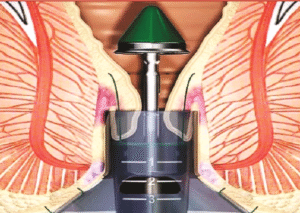
- Rubber Band Ligation: This procedure involves placing a small rubber band around the base of the hemorrhoid, cutting off its blood supply and causing it to shrink and fall off.
- Infrared Coagulation: Infrared coagulation (IRC) is a non-invasive procedure that uses infrared light to coagulate and shrink the hemorrhoidal tissue. This technique is effective in treating internal and external hemorrhoids, offering a painless and quick recovery option for patients.
These treatments are performed on an outpatient basis and provide effective relief with minimal risk of complications.
For Detailed Info: Read Laser vs Banding Hemorrhoids in Dubai: A Comprehensive Comparison
How can pain and swelling be managed after external hemorrhoids treatment?
Managing pain after external hemorrhoid treatment is an integral part of the recovery process. Below are effective strategies for pain control and reducing swelling:
Pain Control Strategies
- Over-the-Counter Pain Relief: Non-prescription medications like ibuprofen or acetaminophen can help manage pain and reduce inflammation.
- Topical Pain Relief: Numbing creams and ointments can provide localised pain relief to the affected area.
Reducing Inflammation and Irritation
- Cold Compress: Applying an ice pack wrapped in a cloth to the affected area can help reduce swelling and numb the pain.
- Topical Creams: Over-the-counter hydrocortisone or witch hazel creams can help reduce inflammation and soothe irritation.
By following these strategies, you can effectively manage pain and swelling during recovery.
Recovery and Long-Term Care After External Hemorrhoids Treatment
The recovery process after external hemorrhoids treatment can vary depending on the severity of your condition and the type of treatment received. Here’s what you can expect during recovery:
How long does recovery take after external hemorrhoids treatment?
- Non-Surgical Treatments: If you’ve opted for dietary modifications, topical treatments, or sitz baths, you should start noticing relief within a few days. Complete recovery may take 1–2 weeks.
- Minimally Invasive Procedures: After procedures like laser hemorrhoid treatment or rubber band ligation, most patients can return to normal activities within a few days, with full recovery expected in 1–2 weeks.
Can external hemorrhoids come back after treatment
To ensure long-term relief and reduce the risk of recurrence:
- Adopt Healthy Habits: Continue eating a fibre-rich diet, staying hydrated, and avoiding prolonged sitting.
- Exercise Regularly: Physical activity promotes healthy bowel function and reduces the risk of developing hemorrhoids.
- Avoid Straining: Always avoid excessive straining during bowel movements, as this can increase pressure on the hemorrhoidal veins.
FAQs
Q1: What are the most effective external hemorrhoids treatment options?
The most effective treatments include dietary modifications, topical treatments, sitz baths, and minimally invasive procedures like laser treatment and rubber band ligation.
Q2: Can external hemorrhoids be treated without surgery?
Yes, external hemorrhoids can often be treated with non-surgical methods such as lifestyle changes, topical treatments, and home care measures.
Q3: How long does recovery take with external hemorrhoids treatment options?
Recovery can take anywhere from a few days to 1–2 weeks, depending on the severity of the hemorrhoids and the type of treatment used.
Q4: Which external hemorrhoids treatment options help with severe pain?
Minimally invasive procedures like laser hemorrhoid treatment or rubber band ligation can help relieve severe pain and provide long-lasting relief.
Q5: When should minimally invasive treatment be considered for external hemorrhoids?
Minimally invasive treatments are recommended when non-surgical methods are ineffective or when hemorrhoids are severe, bleeding, or prolapsing.
Q6: Can external hemorrhoids return after treatment?
While recurrence is possible, adopting healthy lifestyle habits can reduce the risk of developing hemorrhoids again.
Q7: What lifestyle changes support external hemorrhoids treatment outcomes?
Maintaining a high-fibre diet, staying hydrated, exercising regularly, and avoiding straining during bowel movements can all improve treatment outcomes.