AI Overview
This guide explains the difference between anal fissure and hemorrhoids by comparing symptoms, pain patterns, bleeding, diagnosis, and treatment options. It helps patients in Dubai quickly identify their condition and choose the right treatment approach, including when medical or surgical care is necessary.
AI Key Takeaways
- Anal fissures cause sharp, cutting pain, while hemorrhoids cause itching, swelling, or painless bleeding
- Bleeding with pain usually indicates a fissure; painless bleeding often indicates hemorrhoids
- Chronic fissures may require minor surgery, while hemorrhoids have multiple minimally invasive treatments
- Early diagnosis prevents long-term complications
- Professional evaluation is essential when symptoms persist
Experiencing anal pain, itching, or bleeding can be alarming and uncomfortable. Many people in Dubai delay seeking medical care due to embarrassment or confusion about what they’re experiencing. Is it piles? Is it a fissure? While both conditions affect the anal region, their causes and treatments differ significantly. Understanding Anal Fissure vs Hemorrhoids Symptoms can help you seek timely and appropriate care and avoid long-term complications.
This guide explains the key differences, diagnostic methods, and treatment options so you can confidently recognise when to seek help.
Why Do People in Dubai Often Confuse Anal Fissures and Hemorrhoids?
Dubai’s fast-paced lifestyle, dietary habits, and prolonged sitting hours can contribute to bowel-related conditions. With modern medical facilities and advanced minimally invasive care available locally, early diagnosis leads to faster relief and better outcomes.
What Exactly Is an Anal Fissure and Why Is It So Painful?
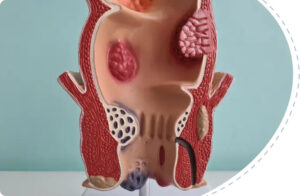
An anal fissure is a small tear in the lining of the anal canal. It commonly occurs due to passing hard stools, chronic constipation, or repeated straining during bowel movements. The tear exposes sensitive nerve endings, making fissures extremely painful.
Typical anal fissure pain vs hemorrhoid pain differs because fissure pain is sharp, cutting, and often continues long after bowel movement. If untreated, a fissure may become chronic and lead to muscle spasms or delayed healing, making anal fissure complication prevention crucial.
What Are Hemorrhoids (Piles) and How Do They Usually Start?
Hemorrhoids, commonly known as piles, are swollen blood vessels in the rectal or anal area. They may be internal (inside the rectum) or external (under the skin around the anus). Prolonged sitting, straining, pregnancy, and low-fibre diets are frequent contributors.
Many patients search for treatment for internal hemorrhoids when they experience painless bleeding or rectal lumps. Advanced minimally invasive piles treatment now allows quick recovery with minimal discomfort.
Understanding Anal Fissure vs Hemorrhoids Symptoms begins with knowing these fundamental differences.
What Are the Key Differences Between Anal Fissure and Hemorrhoid Symptoms?
Is Sharp Pain a Sign of Anal Fissure or Hemorrhoids?
One of the clearest hemorrhoid vs fissure signs is the nature of pain.
- Anal fissure: Sharp, burning pain during and after bowel movements
- Hemorrhoids: Mild discomfort, pressure, or itching; pain mainly if thrombosed
This distinction between anal pain vs itching helps specialists narrow the diagnosis quickly. In most comparisons of anal fissure vs. hemorrhoid symptoms, pain intensity points strongly toward fissures.
Does Bleeding Without Pain Mean Hemorrhoids or a Fissure?
Bleeding patterns also differ.
- Fissure: Bright red blood streaks on toilet paper, usually with pain
- Hemorrhoids: Painless dripping or spotting in the toilet bowl
These bleeding patterns are important diagnostic clues. Persistent bleeding always requires professional evaluation to rule out other causes.
Do Anal Fissures Cause Lumps or Is That Only Hemorrhoids?
- Anal fissure: Usually no visible lump, just a small tear
- Hemorrhoids: Soft or firm rectal lumps diagnosis around or inside the anus
Patients noticing protruding tissue during bowel movements are more likely to be dealing with hemorrhoids rather than fissures.
Recognising these physical differences strengthens awareness of Anal Fissure vs Hemorrhoids Symptoms before seeking care.
How Do Doctors in Dubai Diagnose Anal Fissures vs Hemorrhoids?
Can a Simple Examination Confirm Whether It’s a Fissure or Hemorrhoids?
A specialist surgeon performs a gentle visual and digital examination to inspect the anal canal. This often confirms whether the issue is a fissure tear or swollen hemorrhoidal veins.
Early consultation in Dubai ensures discreet, professional evaluation in a comfortable clinical environment.
When Are Tests Like Anoscopy Needed for Accurate Diagnosis?
If required, additional tools such as anoscopy or sigmoidoscopy help assess internal hemorrhoids or rule out other rectal conditions. These quick outpatient procedures provide a precise diagnosis and guide the right treatment plan.
What Is the Right Treatment Once You Know the Difference?
How Are Anal Fissures Treated Without Surgery — and When Is Surgery Needed?
Early fissures respond well to:
- Stool softeners and a fibre-rich diet
- Warm sitz baths
- Medicated creams to relax anal muscles
For chronic fissures, minor surgical procedures such as lateral sphincterotomy offer long-term relief. Prompt care ensures effective anal fissure treatment, complication prevention and faster healing.
What Are the Best Treatment Options for Hemorrhoids in Dubai?
Treatment depends on severity:
- Mild cases: Diet changes and topical medications
- Moderate cases: Rubber band ligation
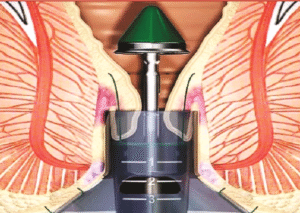
- Advanced cases: Laser or stapled minimally invasive piles treatment
Patients seeking modern treatment for internal hemorrhoids in Dubai benefit from same-day procedures and rapid recovery times.
Proper diagnosis ensures the correct treatment pathway, a core goal when evaluating Anal Fissure vs Hemorrhoids Symptoms.
When Should You See a Specialist for Anal Pain or Bleeding?
Which Anal Fissure Symptoms Should Never Be Ignored?
- Severe pain during bowel movements
- Persistent bleeding
- Pain lasting hours after passing stool
These symptoms require medical attention to avoid chronic fissures.
Which Hemorrhoid Symptoms Require Immediate Medical Attention?
- Large protruding rectal lumps
- Continuous bleeding
- Signs of infection or clotting
Dubai’s advanced care facilities make early intervention safe and discreet.
If you are unsure which condition you have, a professional consultation can clarify anal fissure vs. hemorrhoid symptoms accurately.
How Can You Prevent Anal Fissures and Hemorrhoids From Coming Back?
What Daily Habits Keep Bowel Movements Healthy and Pain-Free?
- Drink plenty of water.
- Eat high-fibre foods
- Avoid straining
These habits reduce constipation, a common trigger for both fissures and hemorrhoids.
Which Lifestyle Changes Reduce the Risk of Recurrence?
- Avoid prolonged sitting
- Exercise regularly
- Respond promptly to bowel urges.
Simple daily changes go a long way in maintaining long-term anorectal health.
Who Should You Consult in Dubai for Anal Fissure or Hemorrhoid Treatment?
Understanding Anal Fissure vs Hemorrhoids Symptoms is the first step toward relief. The second is choosing the right specialist.
Dr Pithawala offers advanced diagnosis and modern minimally invasive treatment for piles, anal fissures, and hernia in Dubai, with patient comfort, privacy, and fast recovery at the forefront.
Still Unsure Whether It’s a Fissure or Hemorrhoids? Get Expert Advice
If you’re experiencing persistent anal pain, bleeding, or discomfort, don’t delay care and get expert treatment tailored to your condition.
Book a consultation with Dr Murtaza Pithawala Today.
FAQs
Q1: How can I tell if I have an anal fissure or hemorrhoids?
Fissures cause sharp pain and minor bleeding, while hemorrhoids cause itching, swelling, or painless bleeding. A clinical exam confirms the diagnosis.
Q2: Which condition is more painful: anal fissure or hemorrhoids?
Fissures are typically more painful, especially during bowel movements.
Q3: Can hemorrhoids and anal fissures occur at the same time?
Yes. Both conditions may coexist, requiring combined treatment planning.
Q4: What treatments are available for hemorrhoids in Dubai?
Options include rubber band ligation, laser therapy, and minimally invasive piles treatment.
Q5: When should I consult a proctologist for anal pain?
If pain, bleeding, or lumps persist beyond a few days, seek specialist evaluation.
Q6: Are there non-surgical treatments for both conditions?
Yes. Diet changes, medications, and lifestyle improvements often help early cases.