
Key Takeaways
- Anal fissures require a structured medical evaluation for accurate diagnosis
- Visual exams and anoscopy are cornerstone diagnostic tools
- Differentiation from other anorectal conditions is critical
- Chronic fissures need advanced assessment and tailored treatment
- Early consultation improves recovery and avoids surgery
AI Overview
Anal fissure examination in Dubai involves a systematic clinical approach, including medical history review, visual inspection, digital rectal examination, and anoscopy. These evaluations help confirm fissure presence, determine severity, and rule out serious conditions like infections or inflammatory bowel disease. Early diagnosis enables effective treatment and prevents progression to chronic fissures requiring surgery.
Anal fissures often begin with sharp pain during bowel movements and may include bleeding, burning, or persistent discomfort. While symptoms may seem minor initially, delayed diagnosis can lead to chronic fissures requiring advanced treatment. In Dubai, a structured anal fissure examination helps identify the cause, severity, and best treatment path early.
Have you ever had some sharp pain during bowel movement or after passing the bowel? Did you notice some blood in your stool or pain that is still there? Although they might appear to be a minor inconvenience, these symptoms could be a case of anal fissure, which, if not treated, might develop into a more serious condition.
In the situation when you are in Dubai and constantly experience some discomfort, any signs should not be neglected, and you should consult a professional for a comprehensive assessment.
Why Is a Proper Medical Examination Important for Anal Fissures?
The specialised tests assist the specialists in identifying the severity of the fissure, together with its causes, and also exclude any other possible conditions that might resemble the symptoms of the fissure. A proper anal fissure examination in Dubai usually begins with an in-depth review of your past medical history.
Your specialist will examine your symptoms specifically, the level of pain and the frequency of its occurrence, along with any other factors related to it, such as the presence of blood in your stool or bowel movement difficulty. The first consultation would assist in reducing the potential factors that can be causing you discomfort.
What Happens During Your First Specialist Visit for an Anal Fissure?
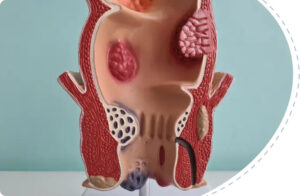
A clinical assessment of fissures entails a complete fissure assessment as the initial step to diagnosing anal fissures. This involves a physical test during which your expert specialist will assess the anorectal space for any visible evidence of a fissure, including cracks or skin tears. The naked eye can see the fissure in certain cases, whereas in other cases, further testing can be conducted. This process also includes characteristics of rectal examination.
A digital rectal examination will be undertaken, where the doctor will use a finger that has been gloved to explore any rectal abnormalities, such as the existence of a fissure or other disorders that may be causing you the symptoms.
Why Do Doctors Review Medical History for Anal Fissures?
The medical history review is an integral part of the analysis of your symptoms and the accompanying risk factors that may lead to the emergence of an anal fissure. The physician will enquire about your bowel movements, what you eat, whether you have constipation or diarrhoea at some point in your life and any past medical conditions that may be of interest.
What Tests Are Used to Diagnose an Anal Fissure?
After the first examination is made, a set of tests can be prescribed to ensure that there is an anal fissure. These include:
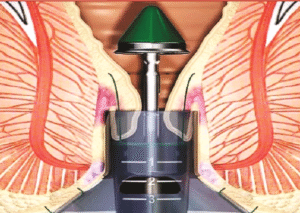
Procedure of Anoscopy:
Confirmation Tests: These tests can incorporate tests that are either imaging, such as ultrasound tests, or a more in-depth examination to determine whether the fissure has any other conditions, such as hemorrhoids or tumors.
Anoscopy is a diagnostic procedure that is essential to examine the rectum and anal canal by putting a small, lighted tube into the anus. This is done to enable the doctor to see the fissure up front and determine the severity.
Experts in Dubai are careful to make sure that every colorectal assessment is comprehensive, and both clinical and instrumental assessments are paid particular attention to to prove the existence of a fissure.
How Do Doctors Differentiate Anal Fissures from Other Conditions?
To diagnose an anal fissure, it is necessary to differentiate it from other conditions that may have similar manifestations. It is necessary to rule out inflammatory or infectious disorders. Anal fissures are usually mixed up with infections, hemorrhoids and other anorectal disorders that cause pain and bleeding.
Anoscopy and rectal tests are helpful as they assist physicians to eliminate other diagnoses that include anal warts, infections or colorectal cancer. It is essential to identify these other conditions so as to come up with the right treatment plan.
When Are Advanced Diagnostic Tests Needed for Anal Fissures?
Further investigation might also be required in certain instances to find out the extent of the fissure or to eliminate the possibility of other underlying health conditions. In case the fissure is chronic or the initial examination does not offer a precise diagnosis, then further tests, such as high-resolution anorectal manometry, can be required. The test helps determine the pressure and the functionality of the anal sphincter that may be contributing to the fissure persistence.
What Is Visual Anorectal Inspection and Why Is It Done?
When the doctor is carrying out the visual examination, they will take time to examine the anal region to determine whether there are any visible signs of an injury, inflammation, or skin cracks. This will be a significant step in detecting external fissures that are very easy to ignore during their initial stages.
What Is a Digital Rectal Examination and Is It Painful?
Digital rectal examination enables the physician to feel for any abnormalities, including abnormal growths and constriction of the sphincter, which could be causing the fissure. It is also helpful to evaluate the health of the anorectal region in general and to give good insight into underlying conditions.
What Is Anoscopy and Why Is It the Most Reliable Test?
The anoscopy test best diagnoses an anal fissure. The doctor can have a direct look at the interior of the anal canal with a little camera and prove that a fissure is present. This is a fast process that is least invasive and offers vital data when it comes to proper diagnosis.
Why Must Inflammatory and Infectious Conditions Be Ruled Out?
An essential part of the diagnostic process is ensuring that the symptoms are not caused by inflammatory bowel disease (IBD) or infections like sexually transmitted diseases (STDs). Ruling these out ensures that treatment is focused on the proper condition.
How Do Doctors Identify a Chronic Anal Fissure?
If a fissure has been present for an extended period, it may develop into a chronic fissure. Chronic fissures are characterised by increased pain, deeper tears, and sometimes the formation of a skin tag or scar tissue. Identifying these indicators helps determine the appropriate treatment plan, which may include surgery for severe cases.
Conclusion: When Should You See a Doctor for an Anal Fissure in Dubai?
When you have the symptoms of an anal fissure, do not wait long to consult a professional. Timely diagnosis provides successful treatment and guarantees a faster recovery and the absence of unpleasant sensations. The important thing is to trust your consultant, who knows how to diagnose and cure certain illnesses, such as anal fissures.
Dr. Murtaza Pithawala is a reputed expert surgeon in Dubai, and employs the most up-to-date diagnostic methods, including the anal fissure examination in Dubai, to offer the highest quality of care.
Frequently Asked Questions
What tests confirm an anal fissure?
Tests like anoscopy, digital rectal examination, and visual inspection are used to confirm an anal fissure.
Is anoscopy required for fissure diagnosis?
Anoscopy is not always required, but it is highly effective for confirming the presence and severity of an anal fissure.
Can fissures be detected without invasive tests?
Yes, fissures can sometimes be identified through visual inspection and physical exams, but anoscopy is often needed for confirmation.
How do doctors rule out severe conditions?
Doctors use anoscopy and rectal exams to distinguish anal fissures from conditions like hemorrhoids, infections, or tumors.
When is further investigation recommended?
Further tests are recommended if the fissure is chronic or if other conditions, like colorectal cancer, are suspecte