Dr. Murtaza Pithawala
Specialist Surgeon
MS, DNB, FNB(Minimal Access Surgery)
Member of Royal College of Surgeon (MRCS), UK
2nd of December Street 1st floor, Flat No 8, Al Satwa Bldg, Beside Civil, Defence, PO Box No 126590 - Dubai
Ground Floor - Villa No. 4 Al Wasl Rd - opposite Pizzahut - Jumeirah - Jumeirah 2 - Dubai
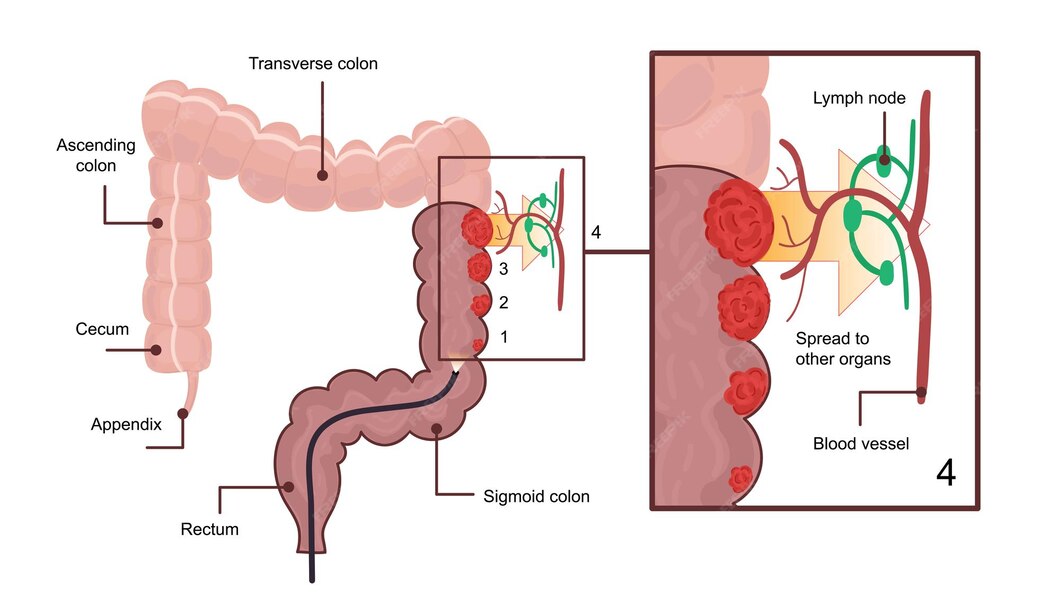
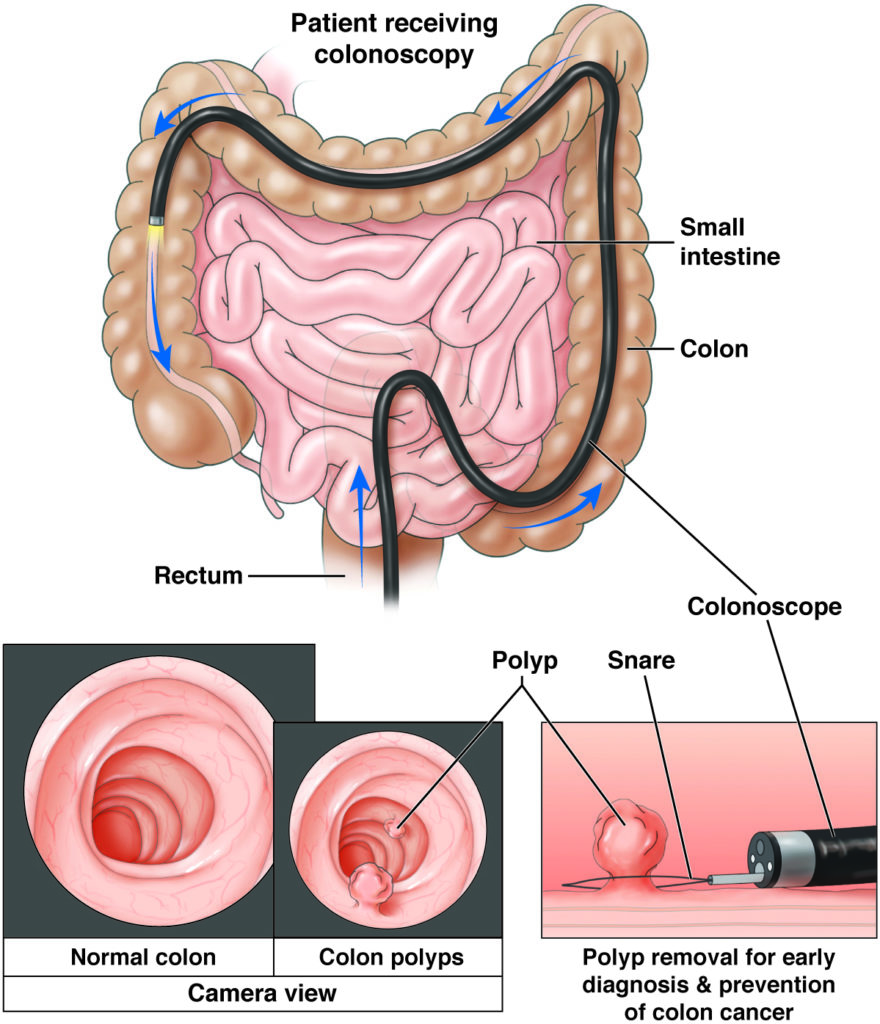
Colon cancer screening is one of the most effective ways to detect early changes in the large intestine (colon) before cancer develops. Regular screening helps identify polyps—small growths on the inner wall of the colon—that can be removed before they turn cancerous. Detecting colon cancer early significantly improves treatment outcomes and survival rates.
If you are above 45 years of age or have a family history of colorectal cancer, it is strongly recommended to undergo a screening colonoscopy to prevent colon cancer before symptoms appear.
The first step is to consult a doctor to determine the most appropriate screening method and frequency for your individual risk factors. The process may involve a simple at-home test, preparation for a visual exam, or further diagnostic procedures.
These tests, which are often completed at home, look for hidden blood or DNA changes in your stool. Examples include the Fecal Immunochemical Test (FIT), the guaiac-based fecal occult blood test (gFOBT), and stool DNA tests.
These tests allow a doctor to directly view the inside of your colon and rectum for abnormalities.
A colonoscopy is a minimally invasive, safe, and highly accurate test that allows direct visualization of the entire colon using a flexible camera called a colonoscope. During the same procedure, any polyps or abnormal growths can be removed or biopsied for further analysis.
For high-risk individuals, your doctor may recommend starting screening earlier or repeating it more frequently.
High risk individuals include those but not limited to the following –
You may experience mild bloating for a few hours. Most patients resume normal activities within a day.
If any polyps were removed, your doctor will discuss the results and the need for follow-up.
Dubai offers access to state-of-the-art endoscopy units, high-definition colonoscopy equipment, and board-certified surgeons who ensure patient comfort and safety.
Early detection through a colonoscopy can prevent colon cancer—making it one of the most powerful tools in preventive healthcare.
Don’t wait for symptoms—colon cancer is highly preventable when detected early.
If you’re looking for a colonoscopy specialist in Dubai or wish to schedule your colon cancer screening, contact us today to book an appointment with our board-certified surgeon.
Yes, it’s a safe and minimally invasive procedure with a very low risk of complications like bleeding or infection.
Most women resume normal activities within 24 hours, with only minor soreness at the biopsy site.
Yes, when performed by an experienced specialist, colonoscopy is a safe and low-risk procedure with minimal complications.
Most adults should begin screening at age 45, but those with a family history of colon cancer or polyps should start earlier, as advised by their doctor.
If no polyps are found, a colonoscopy is typically recommended every 10 years. However, those with polyps, family history, or other risk factors may need it every 2-3 years.
No. The procedure is done under sedation, and most patients feel no discomfort during the test.
You’ll be given instructions for a bowel prep, which involves drinking a cleansing solution and avoiding solid foods the day before the procedure.